
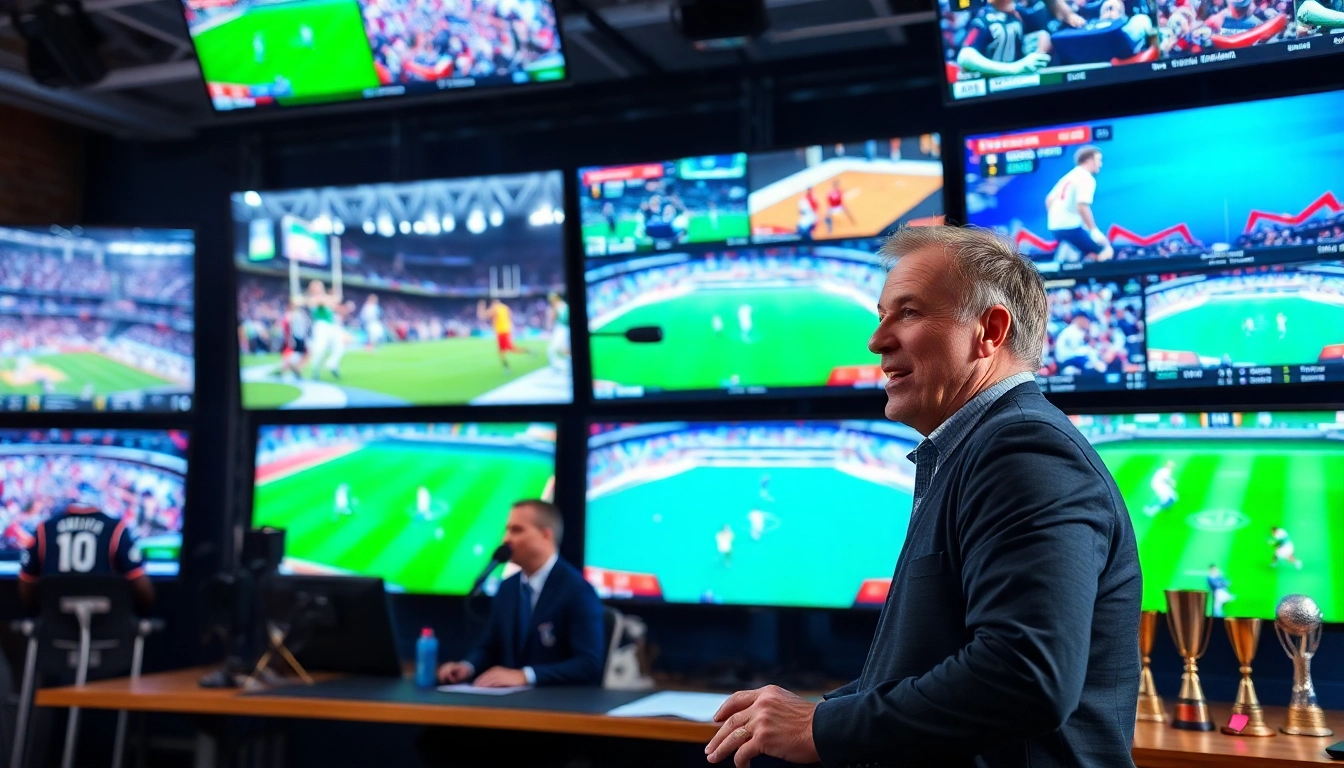
Understanding the Fundamentals of Sports Broadcasting
Sports broadcasting serves as the primary avenue through which fans access live sports events, analysis, and commentary. By blending entertainment with information, it creates a compelling experience for viewers. The journey of sports broadcasting intertwines various elements, from the actions on the field to the narrators who bring those events to life, as well as the technology that underpins the entire process. For anyone looking to delve into the world of Sports Broadcasting, it's crucial to understand its core components, from announcers and equipment to the evolving strategies that engage modern audiences.
What is Sports Broadcasting?
Sports broadcasting encompasses the transmission of live sporting events via television, radio, and digital platforms. This dynamic sector allows fans to watch matches in real time and provides insights about players, teams, and strategies. Sports broadcasting includes not only live commentary but also pre-game and post-game analysis, ensuring that the audience receives a comprehensive experience that extends beyond just the game itself.
The Role of Announcers in Sports Broadcasting
Announcers and commentators are the voice of the game, guiding the audience through the events on the field. They possess a deep understanding of the sport, as well as the ability to provide analysis and relatable narratives to the viewers. Great commentators engage fans through storytelling, effectively setting the atmosphere and enhancing the viewing experience. Their role often involves preparing background checks, analyzing player stats, and offering insights that deepen the audience's appreciation for the sport.
Essential Equipment for Sports Broadcasting
The world of sports broadcasting relies on advanced technology to ensure that every aspect of a game is captured and conveyed effectively. Essential equipment includes high-definition cameras, microphones, mixing boards, and broadcasting software. The use of drones for aerial shots and telestration technology for detailed play analysis are examples of how innovation enhances sports broadcasting. Understanding how to utilize this gear effectively can greatly improve the quality of broadcasts.
Techniques Used in Sports Broadcasting
Live Commentary and Analysis
Live commentary is pivotal during broadcasts, as it provides real-time updates and engages the audience with ongoing narratives. Effective commentators analyze game tactics while also identifying key players who can shift momentum. Engaging in live analysis requires a combination of quick thinking and deep knowledge, allowing broadcasters to educate fans while entertaining them.
Pre-and Post-Game Coverage
Pre-game coverage includes team analyses, lineup announcements, and discussions about game strategies. This segment heightens audience expectations and prepares viewers for what to watch for. Post-game analysis, on the other hand, reflects on the game that took place, providing insights on player performance, strategic moves, and potential implications for future matches. Both coverage segments can help create a fuller understanding of the sport.
Utilizing Graphics and Stats Effectively
Effective use of graphics in sports broadcasting elevates the viewer's experience by providing context. Scoreboards, player statistics, and visual replay features are essential for delivering information quickly and efficiently. In addition to improving clarity, high-quality graphics can captivate an audience, offering new angles and perspectives on events that unfold in real time.
Current Trends in Sports Broadcasting
Emergence of Digital Streaming Platforms
The rise of digital streaming services has revolutionized sports broadcasting, giving fans access to an array of content across multiple devices. Traditional broadcasting is no longer the exclusive delivery method for sports, as many platforms offer live games, highlights, and unique analyses. This shift provides viewers with greater flexibility and diverse content tailored to their personal preferences.
Fan Engagement through Social Media
Social media has become an indispensable tool for sports broadcasters to engage fans. Platforms like Twitter and Instagram allow broadcasters to share real-time updates, behind-the-scenes content, and foster direct conversations with fans. This interaction not only builds community but also creates opportunities for broadcasters to enhance content based on audience feedback and interests.
Data and Analytics Integration in Broadcasting
Data analytics has emerged as a transformative ally in sports broadcasting, enabling deeper insights into player performance and game statistics. Broadcasters can now generate real-time metrics that enhance viewer understanding of strategy, allowing fans to engage with the sport on a more analytical level. The integration of predictive analytics can also help viewers understand potential outcomes based on historical performance and current conditions.
Challenges Faced in Sports Broadcasting
Technological Limitations and Innovations
While technology enhances the broadcasting experience, it introduces challenges as well. Maintaining a seamless connection during live events can falter under heavy traffic, and inadequate infrastructure can impede performance. Broadcasters must constantly adapt to advancements in technology while also managing the risk of technical failures that could disrupt transmission.
Regulations and Broadcasting Rights Issues
Legal challenges regarding broadcasting rights are another significant hurdle. Licenses are required for networks to broadcast specific games or events, and these rights can be expensive. Regulatory changes can also impact the availability of content, influencing what can be broadcast and how advertisers can reach the audience simultaneously.
Maintaining Viewer Engagement
In an age of abundant entertainment options, retaining audience interest can be difficult. Broadcasters must continually innovate to present content in compelling ways, such as interactive features and personalized experiences. Understanding viewer preferences through analytics enables broadcasters to tailor content and enhance audience loyalty.
Future of Sports Broadcasting
Predicted Innovations in Broadcast Technology
As technology evolves, the future of sports broadcasting will likely see the integration of augmented reality (AR) and artificial intelligence (AI). These innovations could enhance viewer experiences, providing immersive aspects that offer fans a closer look at the game. Predictive algorithms could also personalize content suggestions, ensuring fans remain engaged throughout the season.
The Growth of Virtual Reality in Broadcasting
Virtual reality holds incredible potential for the future of sports broadcasting, offering fans an immersive experience that places them virtually inside the stadium. This could lead to redefined viewing experiences, allowing users to watch games from multiple angles or even simulate being part of the action. As VR technology matures, it could redefine how fans experience their favorite sports.
Opportunities for Aspiring Broadcasters
With the ever-evolving landscape of sports broadcasting, new opportunities are arising for aspiring professionals. From content creation for various platforms to roles in analytics and audience engagement, a range of career pathways is available. Aspiring broadcasters should focus on honing their storytelling skills and understanding multimedia production to successfully navigate this dynamic field.
Frequently Asked Questions
What qualifications do I need for a career in sports broadcasting?
A degree in journalism, communications, or a related field is often beneficial. Experience in media or internships can also be valuable.
How can I improve my on-air presence?
Practicing regularly, seeking feedback, and studying successful broadcasters can help enhance your skills and confidence on air.
What software is used for sports broadcasting?
Common software includes graphics editing programs, video editing tools, and teleprompter applications to streamline broadcasts.
How do broadcasters manage live events?
Broadcasters prepare extensively, creating notes and practicing commentary ahead of time to ensure smooth delivery during live events.
What trends should I watch in sports broadcasting?
Watch for growth in digital streaming, use of social media for engagement, and advancements in virtual and augmented reality technologies.