Understanding Remodeling: A Comprehensive Overview
Remodeling your home can be both an exciting and daunting process. Whether you're looking to enhance your home's functionality, aesthetics, or value, understanding the ins and outs of remodeling is essential. This comprehensive guide will take you through everything you need to know about remodeling, from setting clear goals to post-remodeling maintenance.
1. What Is Remodeling?
At its core, remodeling refers to the process of changing the structure or appearance of a building to meet new needs or desires. Unlike renovations, which typically focus on restoring or improving existing spaces, remodeling involves more significant alterations. This can include reconfiguring layouts, updating designs, or even adding new structures.
2. Types of Remodeling Projects
Remodeling projects can vary widely in scope and purpose. Common types include:
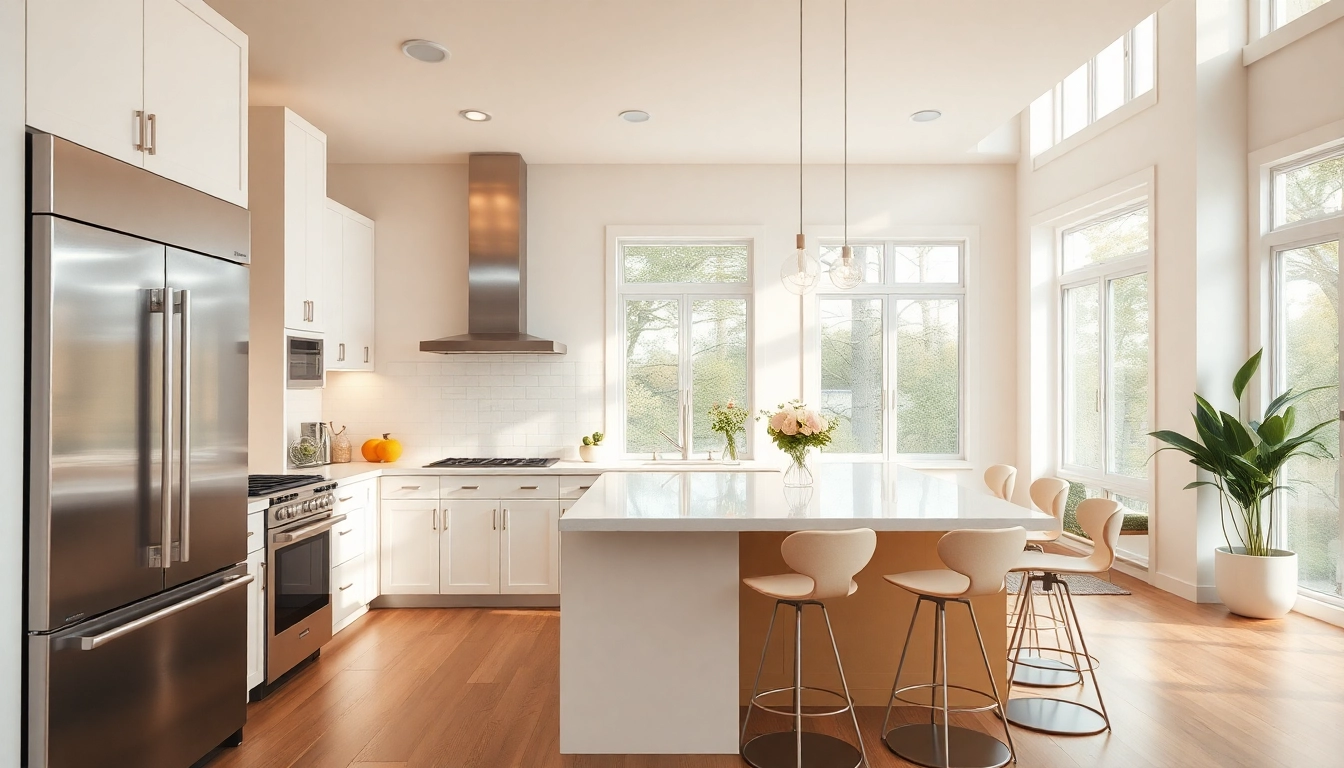
- Kitchens: Often considered the heart of the home, kitchen remodels can range from minor updates to complete overhauls.
- Bathrooms: Bathroom remodeling typically involves upgrading fixtures, improving layout, and enhancing aesthetics.
- Additions: Expanding a home’s footprint can provide additional living space, such as adding an extra room or a sunroom.
- Basements: Transforming a basement into a functional area can significantly increase a home's utility and value.
- Exterior Remodeling: Updating the exterior can enhance curb appeal and protect the structure from damage.
3. The Importance of Planning Your Remodeling
Effective planning is crucial to a successful remodeling project. It helps identify your goals, sets a realistic budget, and establishes a timeline. Planning also minimizes the risk of unexpected setbacks, ensuring that your vision comes to life seamlessly.
Identifying Your Remodeling Goals
1. Assessing Your Space and Needs
The first step in any remodeling project is assessing your current space. Evaluate the areas that require improvement, whether it's functionality, aesthetics, or energy efficiency. Consider how you use your space daily and how those needs may evolve over time.
2. Setting a Budget for Your Remodeling
Budgeting is an essential part of the remodeling process. Determine how much you can realistically afford to spend and allocate funds accordingly. Include costs for materials, labor, permits, and unexpected expenses to avoid financial stress during and after the project.
3. Prioritizing Your Remodeling Features
After identifying your needs and setting a budget, prioritize which features are most important to you. Consider what will enhance your day-to-day living and what can yield a good return on investment. Prioritization ensures that even if budget or time is limited, you achieve the most impactful results.
Design Considerations for Successful Remodeling
1. Choosing the Right Style and Materials
Your choice of style and materials can significantly influence the overall feel and longevity of your remodeled space. Consider trends, durability, and maintenance when selecting colors, textures, and finishes. Personalizing these choices will create a space that feels uniquely yours.
2. Integrating Functionality into Your Designs
While aesthetics are essential, functionality must remain a top priority. Assess how you can create fluidity and practicality within your designs. For example, in kitchen remodeling, consider the work triangle concept (sink, stove, fridge) to enhance workflow.
3. Engaging with Professional Designers
Collaborating with professional designers can elevate your remodeling project. Designers bring expertise, creativity, and problem-solving skills that can help refine your vision. They are also familiar with building codes and regulations, ensuring your project complies with local laws.
Implementing Your Remodeling Project
1. Selecting Qualified Contractors
Finding the right contractor is crucial for the success of your remodeling project. Conduct thorough research by checking ratings, reviews, and past work. Obtain multiple quotes, and ensure that the contractor is licensed, insured, and experienced in the type of remodeling you're undertaking.
2. Managing the Workflow and Timeline
Once the remodeling project is underway, managing workflow and keeping the project on schedule is paramount. Maintain open communication with your contractor and establish a clear project timeline. Regular check-ins ensure that any issues are addressed promptly.
3. Overcoming Common Remodeling Challenges
Challenges are inevitable in any remodeling process, ranging from delays in material delivery to unexpected structural issues. Anticipate potential obstacles by maintaining flexibility in your plans and budget. Have contingency plans in place to address unexpected setbacks swiftly.
Post-Remodeling: Ensuring Lasting Success
1. Evaluating the Completed Work
After project completion, carefully evaluate the work done. Look for any inconsistencies or areas that do not meet your expectations. Address any issues immediately with your contractor to ensure that corrections are made while the project is still fresh.
2. Maintenance Tips for Newly Remodeled Spaces
To keep your remodeled areas looking great, stay on top of maintenance. Regular cleaning, timely repairs, and periodic inspections can prolong the life and aesthetic of new materials. Create a maintenance schedule to ensure tasks are completed routinely.
3. Keeping Your Remodeling Feedback Loop Open
Gathering feedback from family members and regularly assessing how well your space serves your needs ensures that the remodeling continues to meet your expectations. Celebrate successes and be open to future adjustments to improve your living experience further.
Frequently Asked Questions About Remodeling
1. What is the average cost of remodeling?
The average cost can vary greatly based on factors like location and project size. Kitchen remodels might range from $12,000 to $35,000, while bathroom renovations can cost between $6,000 and $15,000.
2. How long does a typical remodeling project take?
Typical timelines depend on the project's scope. Smaller renovations may take a few weeks, while extensive projects like home additions can span several months.
3. Do I need permits for remodeling projects?
Most remodeling projects, especially those that alter structural elements or systems like plumbing and electrical, require permits. Check your local regulations before starting.
4. How can I increase my home’s value through remodeling?
Focusing on key areas such as kitchens, bathrooms, and curb appeal improvements can yield high returns. Fresh paint, updated fixtures, and energy-efficient installations are also beneficial.
5. Should I live in my home during remodeling?
While living in your home can be convenient, it may also be noisy and disruptive, especially for larger projects. Consider temporary relocation if feasible to ensure comfort and safety.