Understanding the Benefits of Buying a Heat Pump
Purchasing a heat pump represents a significant investment in both your home and the environment. With rising energy costs and increasing awareness of sustainability, more homeowners are considering wärmepumpe kaufen as a viable option for efficient heating and cooling. This guide will explore the multifaceted advantages of heat pumps, from their energy efficiency to financial and environmental implications.
Energy Efficiency: Why It Matters
Heat pumps stand out for their exceptional energy efficiency, typically achieving performance ratings that place them well above traditional heating systems. Unlike conventional systems that generate heat through combustion, heat pumps transfer existing heat from the ground or air, resulting in less energy consumption. For every unit of electricity they consume, they can produce three to four times that in heating energy, making them one of the most efficient options available today. This efficiency translates to lower energy bills, which is especially crucial as energy prices continue to rise.
Cost Savings Over Time with Wärmepumpe Kaufen
While the upfront costs for purchasing and installing a heat pump can be higher than other heating solutions, the long-term savings often outweigh these initial investments. Homeowners can expect to see a substantial reduction in their energy bills as heat pumps utilize renewable heat sources. Moreover, advancements in technology have decreased operational costs, allowing owners to enjoy greater savings over time. Furthermore, many regions offer incentives or rebates for installing energy-efficient systems, further enhancing the financial appeal.
Environmental Impact and Sustainability
In an era where environmental responsibility is paramount, heat pumps represent a cleaner alternative to fossil fuel-based heating systems. By utilizing renewable energy sources, heat pumps significantly reduce carbon emissions, helping homeowners contribute to a greener planet. Additionally, many modern heat pumps are designed with eco-friendly refrigerants, further minimizing their environmental footprint. As society pushes towards sustainability, investing in a heat pump can align both your financial and environmental goals.
Key Considerations Before Purchasing a Heat Pump
Deciding to buy a heat pump is not merely about selection; it requires thorough consideration of various factors that will affect performance, efficiency, and overall satisfaction.
Types of Heat Pumps and Their Benefits
There are several types of heat pumps available, including air-source, ground-source (geothermal), and water-source. Each type has its unique benefits:
- Air-Source Heat Pumps: Most common and generally easier to install, suitable for moderate climates.
- Ground-Source Heat Pumps: More efficient in extreme temperatures, these systems require extensive installation due to the need for underground piping.
- Water-Source Heat Pumps: Ideal for properties near water bodies; these pumps extract heat from water sources, providing high efficiency.
Understanding which type suits your needs will ensure you make the most informed choice.
Evaluating Your Home's Energy Needs
Before making a purchase, conducting an energy audit can help assess your home's heating and cooling needs. Factors such as climate, property size, insulation quality, and existing ductwork play a significant role in determining the appropriate heat pump size and capacity. Incorrect sizing can lead to inefficiencies, resulting in increased operational costs and decreased comfort levels.
Understanding Installation Costs and Requirements
The installation of a heat pump involves various costs, including equipment, labor, and potential modifications to your home's infrastructure. Estimates can vary significantly based on factors such as location and complexity of the installation. It is crucial to obtain multiple quotes and select certified professionals to ensure compliance with local regulations and maximize system efficiency.
Best Practices for Selecting a Heat Pump
Choosing the right heat pump involves careful consideration and research. Here are best practices to guide your decision-making process.
Choosing the Right Size and Capacity
Proper sizing is critical for maximizing the efficiency of your heat pump. Oversized units lead to short cycling, while undersized units may struggle to maintain desired temperatures. Consulting with a licensed HVAC professional can help ensure that the heat pump you choose meets your home's specific heating and cooling demands.
Factors to Consider When Comparing Brands
Not all heat pump brands are equal. When comparing options, consider the following:
- Energy Efficiency Ratings: Look for models with higher SEER (Seasonal Energy Efficiency Ratio) and HSPF (Heating Season Performance Factor) ratings.
- Warranty and Support: A robust warranty can protect your investment. Additionally, consider the availability of customer support and service options.
- User Reviews: Researching reviews and testimonials from existing customers can provide insight into the reliability and performance of specific brands.
Utilizing Energy Star Ratings for Informed Decisions
Energy Star ratings provide an easy way to identify energy-efficient products. Heat pumps that meet these standards are verified to reduce greenhouse gas emissions and save energy. Opting for an Energy Star-rated heat pump can lead to significant savings while supporting environmental sustainability.
Common Pitfalls When Buying a Heat Pump
While the decision to purchase a heat pump can be advantageous, several common pitfalls can undermine the benefits and lead to dissatisfaction.
Ignoring Long-Term Maintenance Costs
Many homeowners underestimate the ongoing maintenance costs associated with heat pumps. Regular maintenance, including filter changes and system inspections, is crucial for ensuring optimal performance and extending the system's life. Neglecting such maintenance can lead to higher repair costs and reduced efficiency.
Failing to Research Installation Services
Choosing an inexperienced or unlicensed technician can result in improper installation, leading to operational issues and inefficiencies. Always research potential contractors, check references, and verify credentials before making a selection. Consider asking for certifications from recognized institutions to gauge their expertise.
Overlooking Incentives and Rebates Available
Many governmental and utility programs offer rebates or incentives for energy-efficient upgrades, including heat pumps. Failing to investigate these opportunities means potentially leaving money on the table. Always inquire about state or local programs that can offset the initial costs of your installation.
Future Trends in Heat Pump Technology for 2026
As technologies evolve, heat pumps are becoming increasingly sophisticated, offering enhanced efficiencies and features that cater to changing consumer needs.
Innovations in Energy Efficiency
The industry is witnessing rapid advancements in energy efficiency technologies. Next-generation heat pumps will incorporate advanced materials and designs that allow for even greater efficacy, particularly in extreme temperatures. Additionally, systems with variable speed compressors are becoming more prevalent, providing improved comfort and efficiency in varying conditions.
Integration with Smart Home Technologies
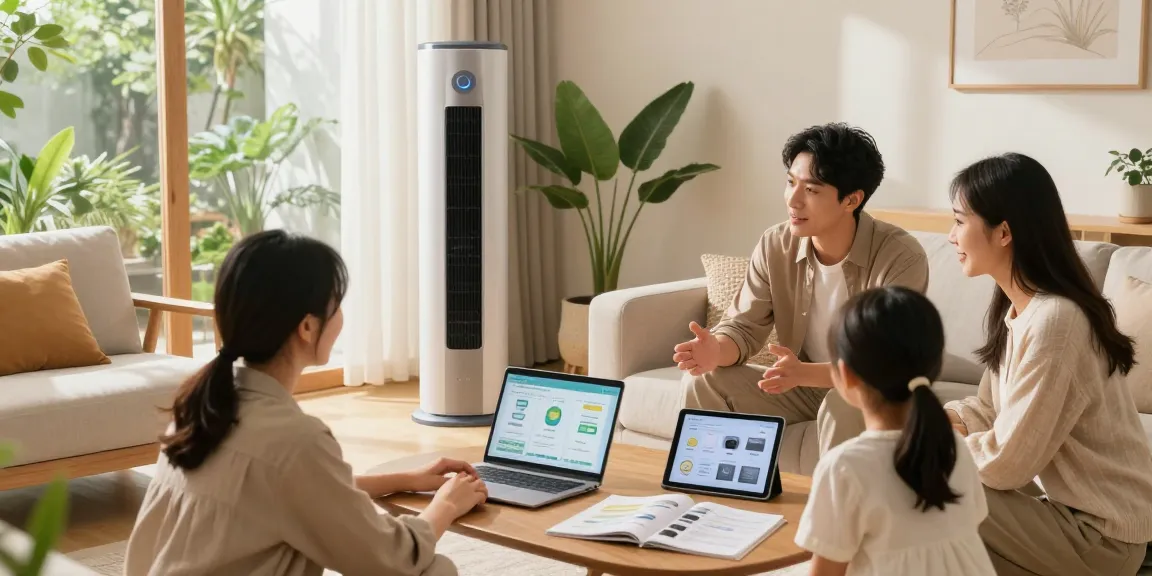
The rise of smart home technologies presents exciting opportunities for heat pumps. Integration with smart thermostats and home automation systems allows homeowners to monitor and control their heating and cooling remotely, optimizing energy usage and enhancing convenience.
Emerging Market Trends and Consumer Preferences
As consumers become more eco-conscious, the preference for heat pumps over conventional heating methods is expected to rise. Market research indicates a growing demand for sustainable and green technologies, positioning heat pumps at the forefront of the energy transition. Furthermore, innovations in design and aesthetics are likely to appeal to a broader audience, particularly in the residential sector.
Why Choose a Heat Pump Over Conventional Heating?
Choosing a heat pump over traditional heating methods like gas or oil systems can lead to substantial benefits, including decreased fuel costs, lower emissions, and enhanced indoor air quality. Furthermore, the seamless transition between heating and cooling capabilities allows for year-round comfort without the need for multiple systems.
What are the Main Costs of Installing a Heat Pump?
The installation costs of a heat pump can vary based on several factors, including the type of heat pump, installation complexity, and geographic location. Homeowners should budget for equipment, labor, and potential modifications. On average, installation can range from $10,000 to $20,000, but incentives may significantly reduce these costs.
How do Different Types of Heat Pumps Compare?
Different heat pump types serve specific needs and climates. Air-source heat pumps tend to be more affordable and easier to install, while ground-source pumps offer superior efficiency in extreme climates but require more extensive installation efforts. Evaluating your local climate and long-term needs will help clarify the best choice for your home.
What Incentives are Available for Buying a Heat Pump?
Incentives can vary significantly by state and locality but often include tax credits, rebates, and financing options that can help make heat pumps more affordable. Always check with local utilities and government websites to understand what programs are available in your area.
How Can I Maximize Energy Savings with My Heat Pump?
To maximize energy savings, ensure that your home is well-insulated and that you perform regular maintenance on your heat pump. Utilizing programmable thermostats and optimizing settings based on when you are home can also contribute significantly to energy efficiency.