
Understanding pg soft Pizza: The Basics
In the vibrant world of Italian cuisine, few dishes are as renowned and cherished as pizza. Among the myriad styles, pg soft pizza stands out for its unique characteristics and a delightful balance of flavors. This article will delve into the fundamentals of pg soft pizza, tracing its origins and highlighting what makes it a beloved choice for pizza enthusiasts.
What is pg soft Pizza?
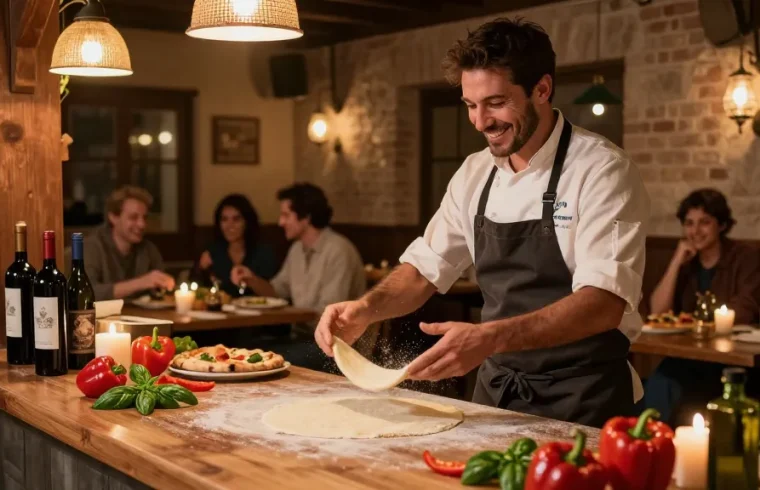
Pg soft pizza is a style that emphasizes a tender, slightly chewy crust, achieved through a meticulous fermentation process. Unlike other pizza styles, the dough is often softer, creating an experience that is both satisfying and flavorful. The texture is complemented by its ability to hold toppings beautifully without becoming soggy, making it a versatile option for both classic and innovative culinary combinations.
Origin of Italian Pizza Styles
The history of Italian pizza is rich and diverse, originating from Naples in the late 18th century. The Margherita pizza, made with tomatoes, mozzarella cheese, and fresh basil, is often credited as a pioneer of the modern pizza we know today. Pg soft pizza evolved from these roots, gathering influence from various regional practices across Italy.
Key Ingredients for Authenticity
To create an authentic pg soft pizza, certain ingredients are essential. High-protein flour, such as Caputo 00, is favored for its ability to create elasticity in the dough. In addition, San Marzano tomatoes, fresh mozzarella, and quality olive oil are crucial components for achieving that authentic Italian flavor. When exploring options, pg soft provides comprehensive insights into the ingredients needed for perfecting this pizza style.
The Anatomy of a Great Pizza
Choosing the Right Dough for pg soft
The foundation of any great pizza is its dough. For pg soft pizza, a slower fermentation process is recommended. This not only enhances the flavor but also develops the gluten structure, leading to a light yet chewy crust. A hydration level of around 65-70% is typically ideal, allowing for a soft texture that still holds its shape.
Essential Toppings: Balancing Flavors
When it comes to toppings for pg soft pizza, the key is to maintain a balance of flavors and textures. Classic choices include a tomato base with fresh mozzarella, basil, and a drizzle of olive oil. However, contemporary influences have introduced a range of toppings such as roasted vegetables, gourmet cheeses, and artisanal meats that elevate the pizza experience.
Importance of Quality Ingredients
Using high-quality ingredients is paramount in crafting pg soft pizza. Fresh, locally sourced produce not only enhances the flavors but also supports sustainable farming practices. Ingredients like DOP (Denominazione d’Origine Protetta) certified tomatoes and artisanal cheeses can significantly impact the final taste, making each bite a culinary delight.
Cooking Techniques: Achieving the Perfect Bake
Oven Choices: Wood-Fired vs. Conventional
The cooking method plays a critical role in the final outcome of pg soft pizza. Wood-fired ovens, with their high temperatures, produce a crispy crust with slightly charred edges, while conventional ovens can offer a more consistent heat distribution. Both methods have their merits, but for that quintessential taste, a wood-fired oven is often preferred.
Temperature and Timing Tips for pg soft
For optimal results, pg soft pizza should be baked at temperatures exceeding 450°F (232°C). The baking time typically ranges from 8 to 12 minutes, depending on the oven type and thickness of the crust. Monitoring your pizza closely during baking is crucial to prevent overcooking while ensuring a golden-brown finish.
Common Mistakes to Avoid When Baking
Even seasoned cooks can make mistakes when baking pizza. A common error is overcrowding the toppings, which can lead to a soggy center. Additionally, not preheating the oven or baking stone sufficiently can hinder the crust’s ability to achieve that desired crispiness. Proper attention to these details can make all the difference in the final product.
Pairing pg soft Pizza with Drinks
Wine Recommendations to Enhance Flavor
Wine is a natural partner to pizza, and choosing the right varieties can enhance the dining experience. A light Chianti or an Italian Pinot Grigio pairs well with classic margherita toppings, while a robust Barbera complements meat-laden pizzas beautifully. Understanding the flavor profiles of your pizza can guide your wine selection.
Craft Beers That Complement Your Pizza
For beer enthusiasts, craft beers can be an excellent match for pg soft pizza. Hoppy IPAs provide a refreshing contrast to cheesy pizzas, while malty stouts can harmonize with deeper, more savory flavors. Experimenting with local brews can add a delightful twist to your meal.
Non-Alcoholic Options for Every Taste
Not everyone may want to indulge in alcoholic beverages, and having a range of non-alcoholic drinks is essential. Sparkling waters, artisan sodas, and herbal teas can serve as refreshing complements to pizza, ensuring that every guest can find something to enjoy.
Future Trends in the Pizza Industry
Healthier Alternatives and Dietary Considerations
The demand for healthier pizza options continues to rise. This trend includes gluten-free crusts, cauliflower bases, and organic ingredients. Offering adaptations for dietary restrictions, such as vegan or low-carb options, is becoming increasingly important for pizzerias looking to cater to a wider audience.
Innovative Toppings and Flavor Profiles
As culinary creativity thrives, innovative toppings are making their way onto menus. From unique cheeses like burrata to unexpected additions like fig jam or truffle oil, the flavor profiles for pizza are expanding. This trend allows chefs to express their individuality while enticing adventurous diners.
Embracing Sustainability in Pizza Making
Sustainability is a key consideration for the future of pizza making. Many pizzerias are focusing on locally sourced, seasonal ingredients and eco-friendly practices. This not only reduces the carbon footprint but also supports local farmers and artisans, creating a more connected food community.
What makes pg soft pizza unique?
Pg soft pizza is characterized by its unique dough texture and the thoughtful selection of toppings, making it a favorite among those who appreciate a rich flavor profile and a chewy crust.
How to make pg soft pizza at home?
Making pg soft pizza at home involves careful attention to dough preparation, ingredient quality, and oven temperature. Following authentic recipes and experimenting can help home cooks achieve similar results to their favorite pizzerias.
Are there gluten-free pg soft pizza options?
Yes, many pizzerias offer gluten-free options for pg soft pizza, utilizing alternative flours such as almond or chickpea flour to create a base that mimics traditional pizza.
What toppings work best with pg soft pizza?
Best toppings for pg soft pizza include fresh basil, prosciutto, arugula, roasted vegetables, and an array of cheeses. The key is to balance rich, savory flavors with fresh, bright notes.
Where to find the best pg soft pizza in town?
Locating the best pg soft pizza often involves visiting local pizzerias known for their authentic Italian flavors. Checking reviews and asking locals for recommendations can guide you in your search for the perfect slice.